How Many Kalpas Have Passed? Are We Really in Kali Yuga?

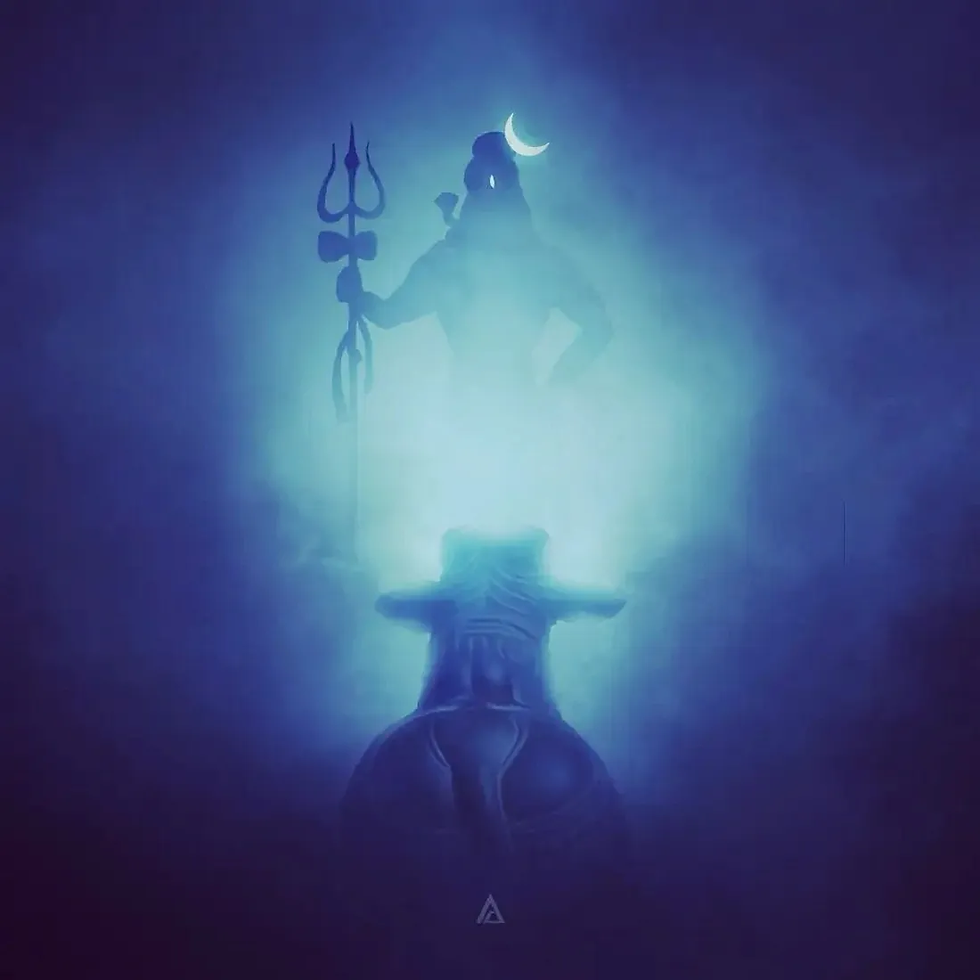
Understanding Kalpa, Manvantara, Yugas & Cosmic Time in Hindu Cosmology
Hindu cosmology presents one of the most intricate and advanced concepts of time, spanning from microseconds to billions of years. It describes an eternal cycle of creation, preservation, and destruction, governed by Kalpas (days of Brahma), Manvantaras (ages of Manus), and Yugas (cosmic ages).
The question of how many Kalpas have passed and whether we are truly in Kali Yuga requires a deep understanding of Vedic, Puranic, and astronomical references. Let’s unravel this cosmic mystery.
1. What Is a Kalpa?
A Kalpa (कल्प) is a “day of Brahma,” spanning 4.32 billion human years. This is followed by a night of Brahma, also lasting 4.32 billion years, during which the universe dissolves into a state of rest before being recreated.
According to the Bhagavata Purana (Śrīmad Bhāgavatam 3.11.22), each Kalpa consists of:
14 Manvantaras, ruled by different Manus (progenitors of humanity).
A transition period (Sandhya) between each Manvantara.
Kalpa Calculation:
One Kalpa (1 Day of Brahma) = 14 Manvantaras + 15 Sandhyas
One Manvantara = 306,720,000 human years
Total years in one Kalpa = 4.32 billion years
At the end of each Kalpa, there is a great dissolution (Pralaya) before the cycle begins again.
2. How Many Kalpas Have Passed?
According to Hindu scriptures, Brahma is currently 51 years old. Each year of Brahma contains 365 Kalpas.
Brahma’s Age = 51 x 365 Kalpas
Total Kalpas Passed = 18,615 Kalpas
Within Brahma’s current day, we are in the Shveta Varaha Kalpa, one of the many Kalpas described in the Vayu Purana, Brahmanda Purana, and Matsya Purana.
3. Where Are We in the Current Kalpa?
In the Shveta Varaha Kalpa, we are in the 7th Manvantara, ruled by Vaivasvata Manu.
Each Manvantara has 71 Maha Yugas (Chatur Yugas). Currently, we are in the 28th Maha Yuga of Vaivasvata Manvantara.
Breakdown of Time in the Current Manvantara:
One Maha Yuga (Chatur Yuga) = 4.32 million human years
Each Maha Yuga consists of 4 Yugas:
Satya Yuga (Golden Age) = 1.728 million years
Treta Yuga = 1.296 million years
Dvapara Yuga = 864,000 years
Kali Yuga = 432,000 years
Since 27 Maha Yugas have already passed, we are currently in the 28th Maha Yuga, within Kali Yuga.
4. Are We Really in Kali Yuga?
Yes, we are currently in Kali Yuga, as validated by multiple scriptural sources:
1. Śrīmad Bhāgavatam (12.2.31):
The transition from Dvapara Yuga to Kali Yuga occurred at the moment when Lord Krishna left for His divine abode (3102 BCE).
2. Vishnu Purana (4.24):
Kali Yuga is described as an era of moral decline, dishonesty, and spiritual darkness.
3. Brahmanda Purana (1.2.29.36):
Provides the specific duration of each Yuga and confirms that we are in Kali Yuga.
What Year of Kali Yuga Are We In?
According to traditional Hindu calculations, Kali Yuga began in 3102 BCE.
Current Year = 2025 CE
Elapsed Years = 3102 + 2025 = 5127 Years
Remaining Years in Kali Yuga = 432,000–5127 = 426,873 Years
Thus, we are in the 5126th year of Kali Yuga, with over 426,873 years still left.
5. Signs of Kali Yuga — Do They Match?
The Mahabharata, Śrīmad Bhāgavatam, and Vishnu Purana describe several signs of Kali Yuga:
Moral Decline: Truthfulness, compassion, and righteousness weaken.
Rise in Corruption & Greed: Materialism overtakes spiritual values.
Shortened Lifespans: Ancient texts mention lifespans over 100,000 years in Satya Yuga, but now we barely reach 70–80 years.
Environmental Changes: Droughts, floods, and chaotic weather patterns.
Weakening of Spiritual Practices: Rituals continue, but true spiritual realization is rare.
These characteristics accurately match the modern world, confirming that we are indeed in Kali Yuga.
6. What Comes After Kali Yuga?
According to Śrīmad Bhāgavatam (12.2.39–40):
At the end of Kali Yuga, Vishnu’s 10th Avatar, Kalki, will appear.
The world will undergo great purification before the next Satya Yuga begins.
The Yuga cycle is eternal, meaning another Satya Yuga will follow, repeating the cycle.
Thus, while Kali Yuga brings chaos, it will eventually give way to renewal and spiritual resurgence.
7. Conclusion: Where Do We Stand?
18,615 Kalpas have passed in Brahma’s age.
We are in the Shveta Varaha Kalpa, within the Vaivasvata Manvantara (7th Manvantara).
We are currently in the 28th Maha Yuga, in Kali Yuga.
Kali Yuga began in 3102 BCE, meaning we are in the 5127th year.
There are still 426,873 years remaining in this age.
The world reflects the exact characteristics described for Kali Yuga.
While Kali Yuga is a challenging era, scriptures state that devotion to Shiva, Vishnu, or Devi, along with mantra japa, meditation, and selfless service, can still lead to Moksha (liberation).
Final Thought: Why Kali Yuga Is Still Special
While Kali Yuga is filled with chaos, it also holds the greatest spiritual opportunity. The Bhagavad Gita (18.66) states:
“Sarva dharmān parityajya mām ekaṁ śaraṇaṁ vraja…”
(Abandon all other paths and surrender only to Me… I will liberate you from all sins.)
Thus, while Kali Yuga continues, so does hope and divine grace for those who seek the truth.
Do You Think We Are Living the True Effects of Kali Yuga?


Comments